Praesidium performs pathway analyses to quantitatively validate the feasibility of the protective strategy by evaluating the relationship between adversary progression and security response-force deployment throughout a facility. Potential adversary routes are modeled from points of entry through successive barriers and facility areas to protected target-set elements. These timelines are compared against responder notification, deployment, movement, and positioning times to determine whether armed responders can reach designated engagement locations with sufficient time to interdict and neutralize the adversary.
The analysis considers more than simple distance and walking speed. Barrier delay, breaching methods, team movement, equipment loads, terrain, facility configuration, tactical exposure, and attack complexity are incorporated to develop realistic timelines for both adversary and response-force pathways. This provides a defensible basis for identifying where tactical advantage exists—and where additional delay, alternate response positions, or changes to the protective strategy may be necessary.
A principal objective is to establish multiple opportunities for successful adversary interruption before protected assets can be compromised. Praesidium uses pathway analysis to support protective strategies that provide armed responders with a minimum of three viable interruption points along credible adversary pathways before the adversary reaches target-set elements. This layered approach reduces reliance on a single engagement opportunity and provides greater resilience when individual barriers, pathways, or response actions do not perform as anticipated.
01
BARRIER
EVALUATION
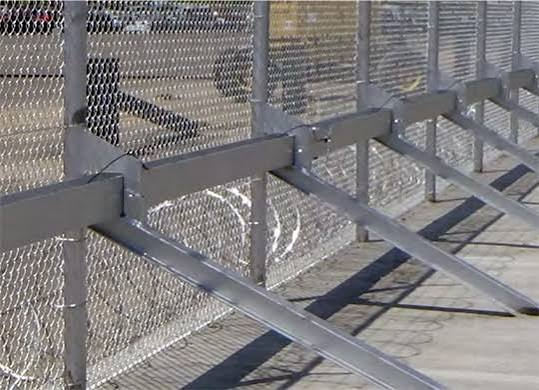
Praesidium evaluates the barriers encountered along potential adversary pathways and assigns representative delay times based on the barrier construction, anticipated breaching method, adversary capabilities, and applicable test data. Mechanical breaching, explosive breaching, specialized tools, and other credible defeat methods are considered as appropriate to the barrier and threat.
Delay values are derived from industry-recognized technical documents, published test data, applicable guidance, and available facility-specific performance information. This provides a technically supportable basis for incorporating barrier performance into the overall adversary timeline.
Defensible barrier-delay values establish a realistic foundation for comparing adversary progression with security response.
02
TEAM
MOVEMENT
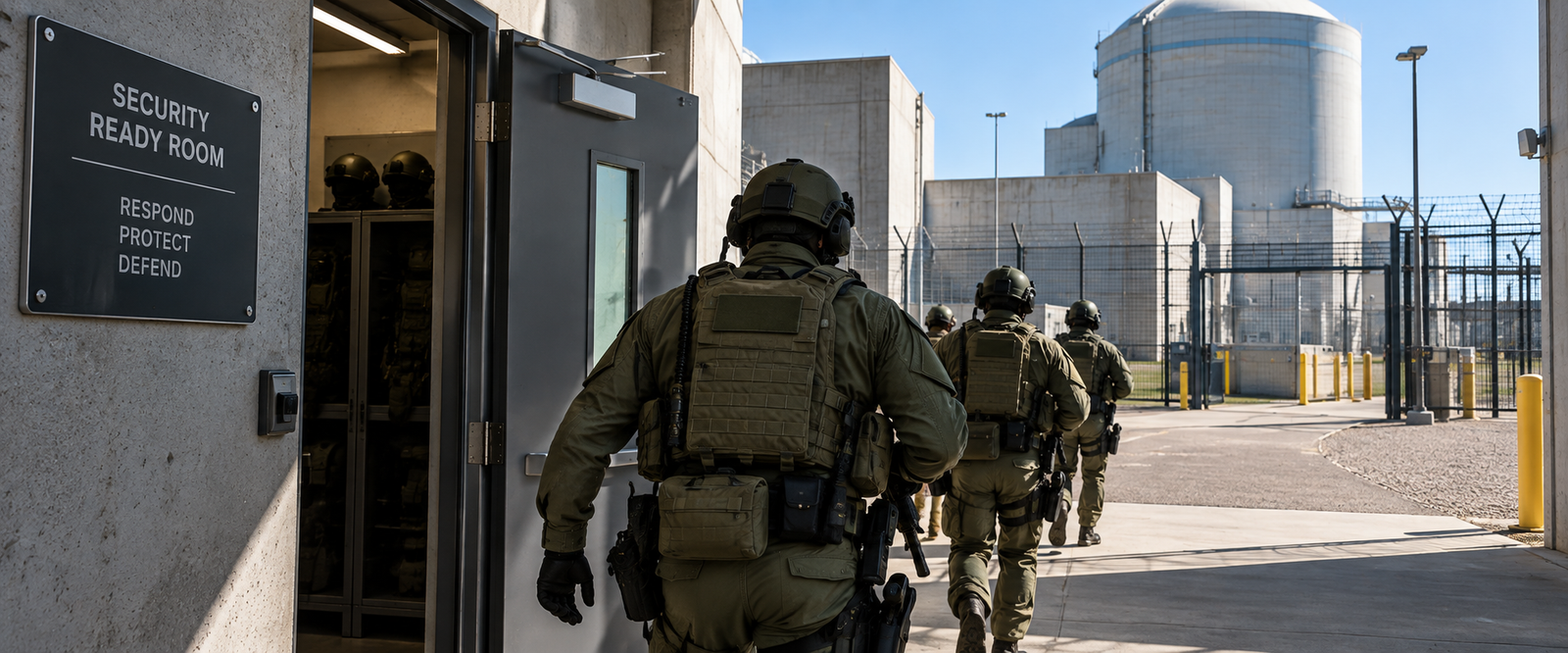
Pathway analysis considers the conditions under which both adversaries and responders must actually move. Praesidium evaluates equipment and protective-gear weight, terrain, stairs and elevation changes, pathway restrictions, cover and concealment, environmental conditions, and other facility characteristics that can influence movement speed.
Response pathways are evaluated independently from adversary pathways so that responder timelines reflect the equipment carried, tactical positioning requirements, and conditions encountered while deploying to designated interruption points.
Realistic movement assumptions convert physical distance into operationally meaningful response and adversary timelines.
03
ATTACK
COMPLEXITY
Not every pathway can be accurately represented using a constant movement rate. Praesidium applies time multipliers and other appropriate adjustments to account for the complexity of specific adversary actions and operating conditions.
Complexity factors may include the use of specialized breaching tools, coordinated team actions, movement while under direct fire, difficult or unfamiliar facility floor plans, multiple elevation changes, equipment handling, and other actions that increase the time required to advance toward a target. These adjustments help prevent pathway models from unrealistically treating complex tactical actions as unobstructed movement.
Complexity adjustments account for the operational conditions that influence how quickly an adversary can realistically advance.
04
PERFORMANCE
TESTING
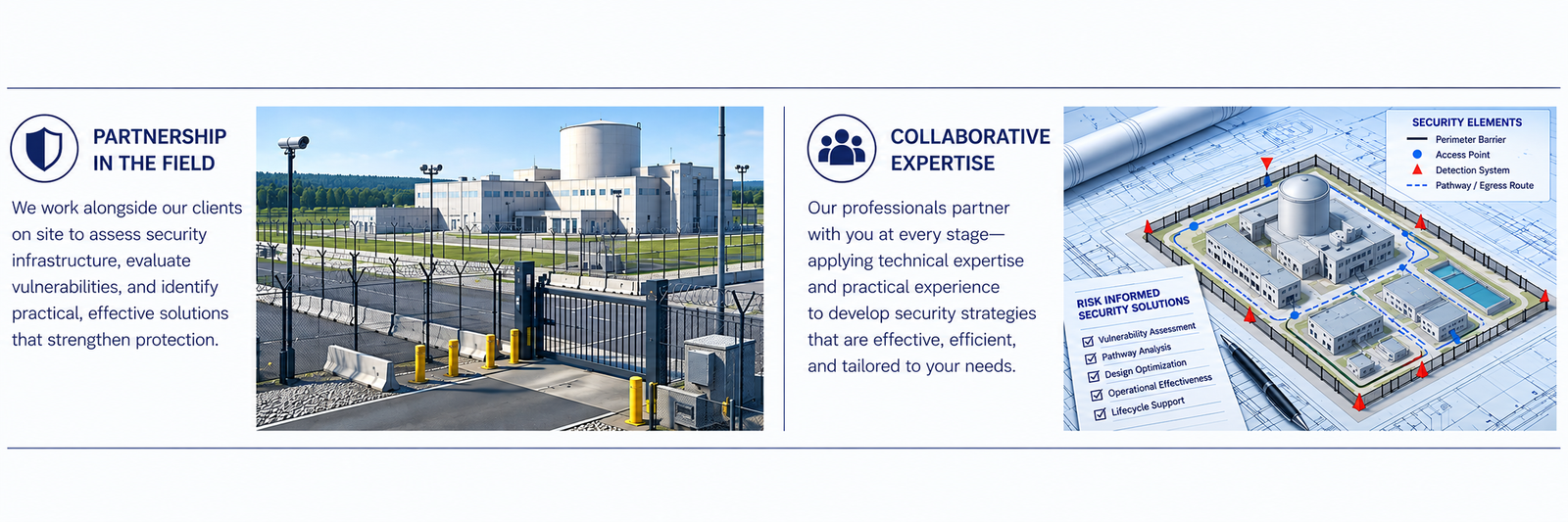
Praesidium uses limited-scope performance tests, tabletop drills, tactical exercises, and other focused validation activities to compare modeled pathway assumptions with actual facility and personnel performance.
Testing can be used to validate responder movement times, deployment routes, barrier assumptions, equipment requirements, communications, command-and-control actions, and the practicality of designated interruption points. Results are incorporated back into the pathway analysis to refine assumptions and strengthen confidence that the modeled protective strategy can be successfully executed under representative conditions.
Performance testing connects analytical timelines with real-world execution and provides a basis for validating the protective strategy.