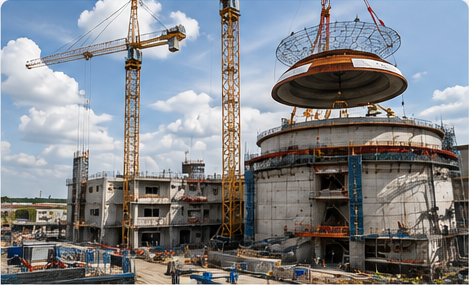
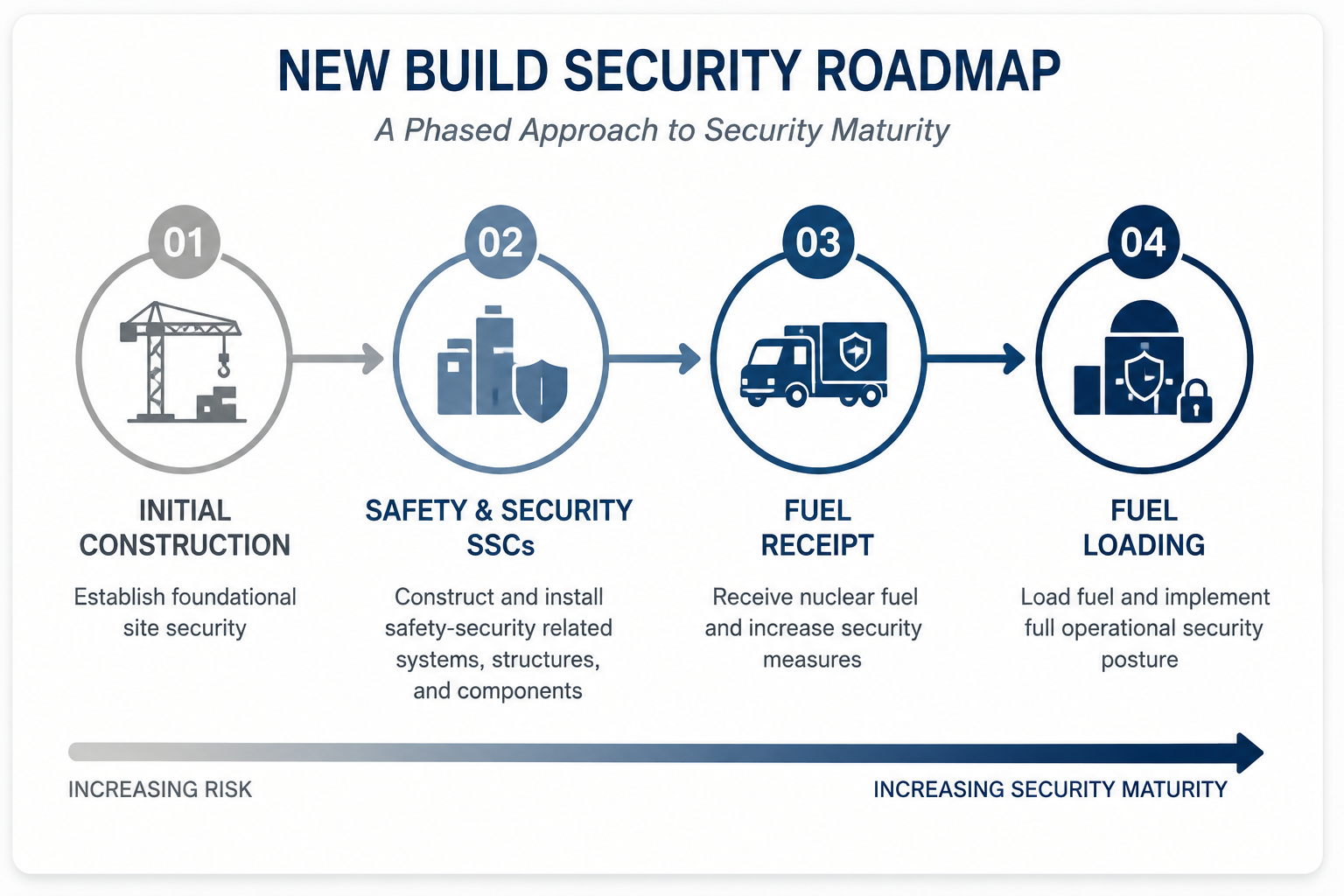
Praesidium Consulting developed a comprehensive New Build Security Roadmap to support the phased development of security capabilities for a new nuclear facility. The roadmap establishes a structured approach for aligning physical protection measures with the evolving risk profile of the site, recognizing that security requirements, protected assets, site configuration, and potential consequences change significantly as a project progresses from initial construction through the introduction of nuclear fuel.
The roadmap is organized around four key project milestones: initial plant construction; construction and installation of safety- and security-related systems, structures, and components (SSCs); receipt of nuclear fuel; and fuel loading. At each stage, security requirements are evaluated against the assets and activities actually present at the facility, allowing protective measures to evolve in proportion to the security significance of the site. This staged approach helps ensure that necessary protection is provided while avoiding the premature implementation of security requirements that provide limited benefit during earlier phases of construction.
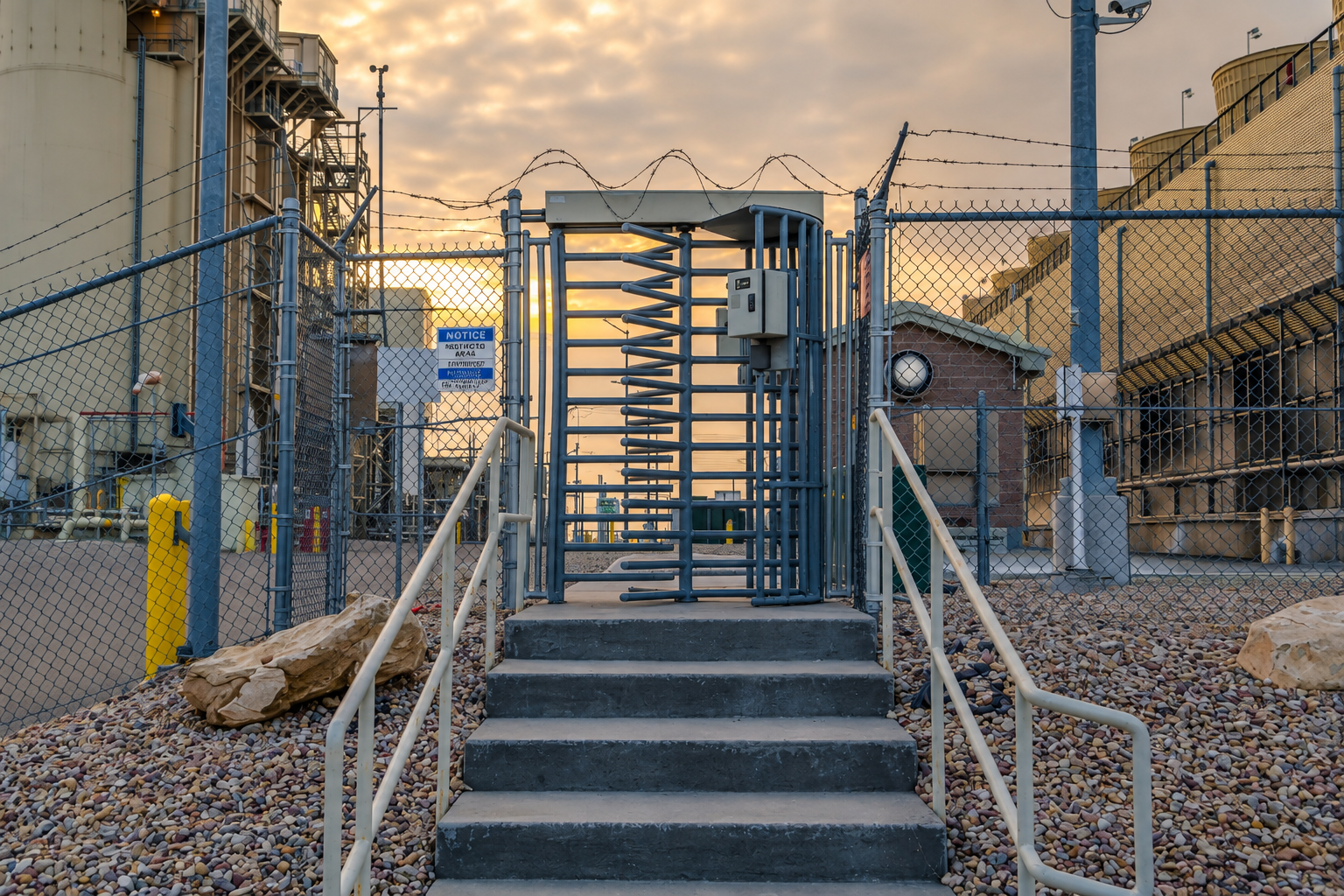
A key objective of the roadmap is to minimize unnecessary cost and schedule impacts on construction activities. Rather than applying the requirements of the fully operational Physical Protection System (PPS) throughout the construction lifecycle, the roadmap provides a risk-informed basis for determining when specific security measures, infrastructure, personnel, procedures, and response capabilities are actually required. This reduces unnecessary security constraints and temporary measures, minimizes interference with construction access and logistics, and helps avoid expenditures for capabilities that are not yet warranted by the facility's risk profile.
The resulting roadmap provides project leadership with a practical framework for integrating security with construction planning, engineering, procurement, and commissioning activities. By identifying security requirements, transition points, and implementation timelines well in advance of major project milestones, the approach supports more effective coordination between construction and security organizations, reduces the potential for late-stage design changes, and facilitates an orderly transition from an active construction site to a fully operational nuclear facility.